



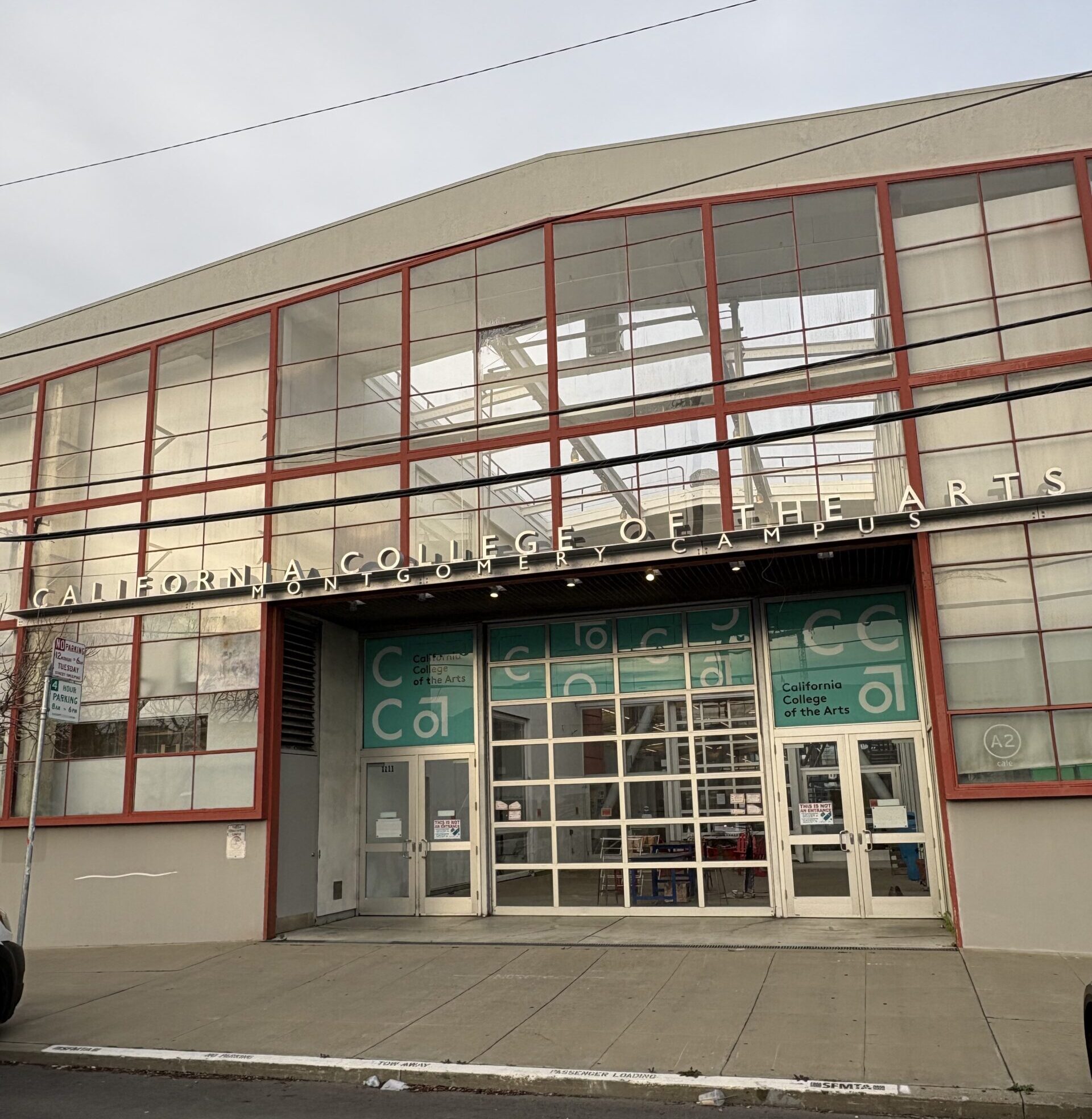
January 13— California College of the Arts (CCA) announced it would shut down after the 2026–2027 academic year and that Vanderbilt University would take over its Potrero Hill campus to establish a new San Francisco location. The proposed closure follows the shutdowns of several other art schools in the region, including the 2022 closure of the San Francisco Art Institute and the 2021 decision by Mills College in Oakland to cease degree-granting operations before merging with Northeastern University.
This trend of smaller, private institutions struggling to stay afloat is prompting debate over whether the Bay Area’s soaring living costs and a technology economy—increasingly centered on AI—are squeezing out independent arts education programs, which often lack the endowments and scalability of well-resourced universities like Northeastern or Vanderbilt.
For many faculty members, the announcement came without significant warning. Jason Anderson, an Associate Professor of architecture and game design who has taught at CCA since 2006, learned the news through a campus-wide email sent the morning of January 13—the same day the closure was publicly announced.
“It definitely felt sudden,” Anderson said. “I learned with basically everyone else, alumni, current students and faculty…I think almost all of us received the announcement at the same time.”
While he knew the college had been facing financial strain, Anderson did not expect a full shutdown. “We were all aware that some financial struggles were happening,” he said. “But we didn’t understand that the situation was as dire as it was, and so closing the entire school was a complete surprise.”
More than simply a single school closure, the loss of CCA represents the hollowing out of a cultural anchor that, for over a century, has drawn artists to the Bay Area and helped mold its creative identity.
Founded in 1907 as the School of the California Guild of Arts and Crafts, the college expanded from fine arts and crafts into architecture, design, writing and the tech-arts fields. Its first campus in Oakland—closed in 2022 as part of cost-cutting efforts—and its Potrero Hill campus have served as gathering places for artists and designers, while supporting them through professional networks and studio space.
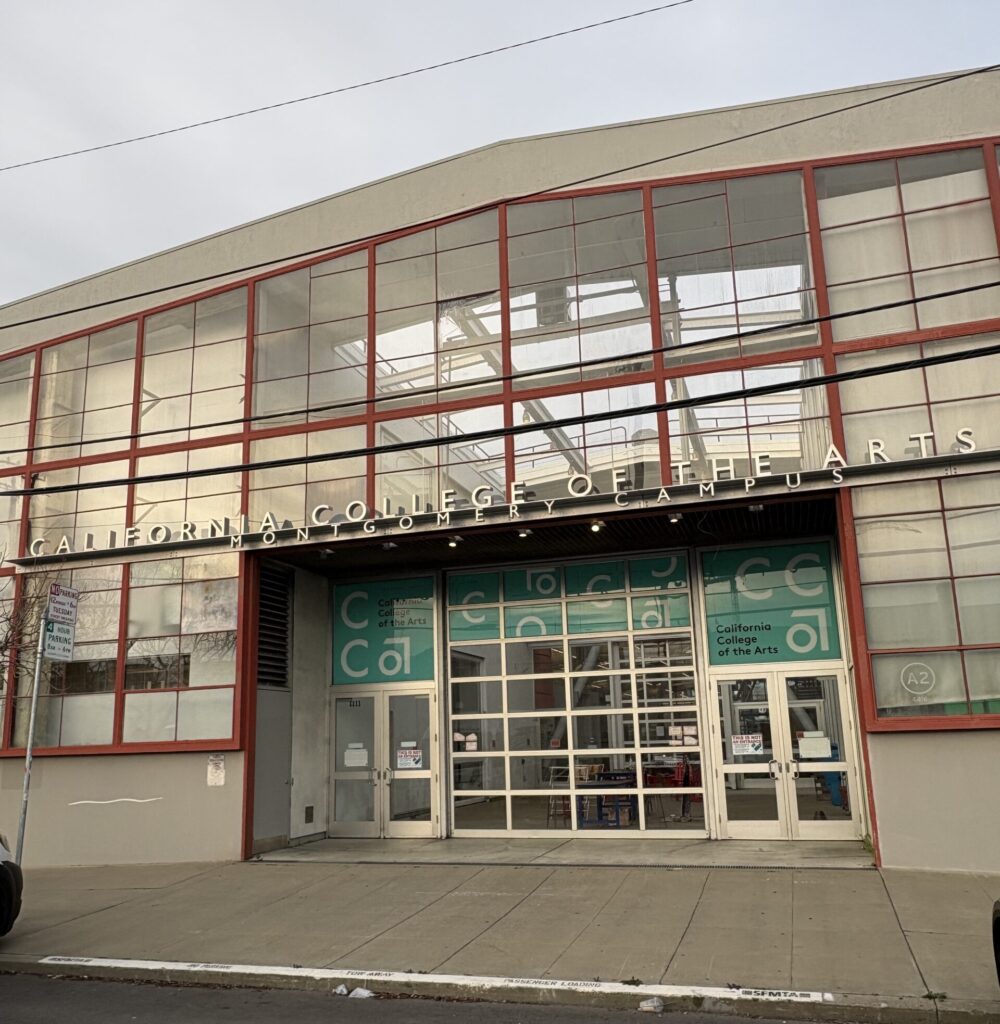
For alumna and instructor at Artworks Fine Art Studio, Jaia Linden-Engel, the loss feels deeply personal. “It’ll be horrible to not have the location to meet anymore,” she said. “All the alumni are also losing access to all those things.”
The shuttering of CCA is part of a nationwide pattern in which small, private, tuition-driven colleges—particularly arts and liberal arts colleges—struggle against declining enrollment and rising operating costs. Despite CCA’s attempts to “modernize” by adding practical tech-adjacent programs like User Interface (UI) design, game design and an MBA in Design Strategy, the school could not overcome the $20 million operating deficit and the lack of a substantial endowment.
Anderson worries about what disappears when smaller art schools vanish.
“As all of these smaller schools are getting gobbled up…where is going to be the place for that unique take, perhaps a more personal take as individuals, as artists producing this work?” he said.
While Vanderbilt has said it intends to honor the legacy of CCA and will speak with staff about potential roles once programming is defined, the specifics remain unclear. Many faculty and staff are currently waiting to learn whether they will be part of the future campus or not.
For current high school students considering creative careers, the closure narrows an already uncertain path. “Pathways to the arts can often not be financially stable,” Lila Kangelaris ’26 said. “It’s very uncertain and very entrepreneurial.”
Linden-Engel said the loss of CCA will make it harder for young artists in the region to find clear entry points into formal arts education.“I have definitely experienced fewer and fewer high schoolers who are looking to apply to art schools,” Linden-Engel said. She noted that CCA also hosted summer classes for high school students, which introduced many young artists to the field. “They’re losing that easy access into the artistic community in San Francisco.”
As these key avenues into the creative-professional world vanish, the arts risk becoming accessible only to those with significant financial safety nets, reinforcing socioeconomic inequality and undermining the Bay Area’s roots in artistic expression. Linden-Engel ultimately ties the closure to a shift in San Francisco’s identity: “The mayor just seems to be putting so much emphasis on turning San Francisco into this major AI tech hub,” she said.
While the city publicly celebrates art during events like SF Art Week, the loss of its educational infrastructure makes clear that creative institutions are increasingly viewed as disposable in the face of economic advantages.
One of the few institutions actively offering structured transfer pathways is Otis College of Art and Design in Los Angeles, which has indicated it will work with displaced CCA students. But relocation brings added costs: housing, transportation and rebuilding professional artist networks from scratch.
The implications extend beyond a single campus or even a single city. When independent arts colleges disappear, so do the spaces that incubate experimental work, mentor first-generation artists and anchor local creative communities.






+ There are no comments
Add yours