



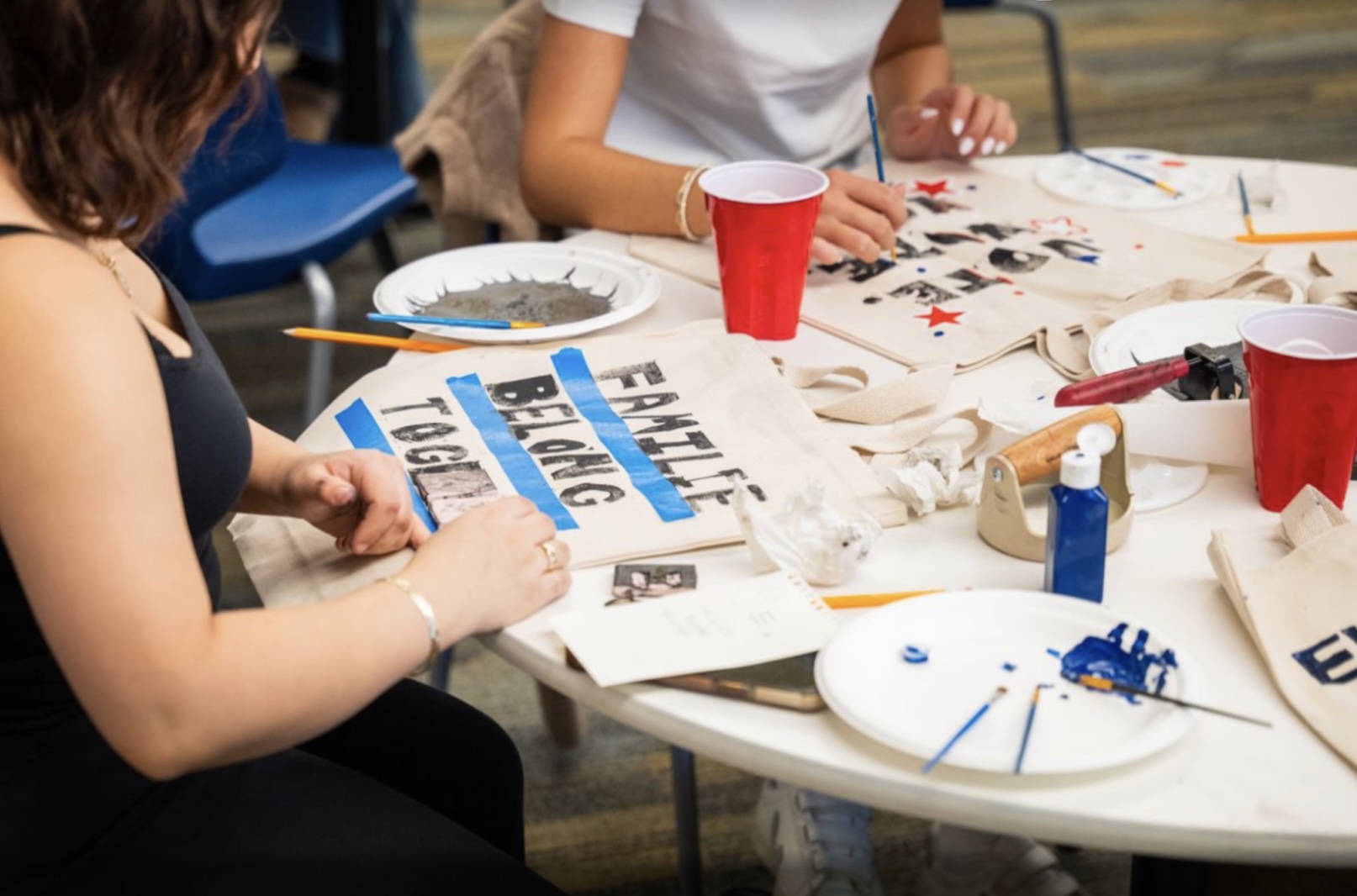
To honor the life, work and mission of Dr. Martin Luther King Jr., Lick-Wilmerding High School’s Director of Equity, Inclusion and Belonging (EIB) Matthew Oakland and the Director of Student Inclusion JR Arimboanga hosted a teach-in on January 20, 2026. Rooted in Dr. King’s vision of a “Beloved Community,” the unorthodox school day invited students to connect with a panel of local activists and nonprofit leaders, actively engage in bridge-building workshops and participate in community service initiatives designed to foster lasting commitments to social change. Through artistic performances, hands-on crafts and facilitated dialogue, students explored the dual themes of optimism and grief that shape movements for justice.
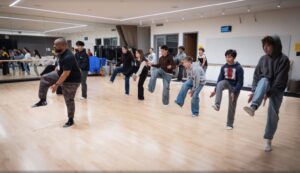
photo courtesy of Vidigami
“Beloved Community” by Dr. King has since been formally integrated into the Frosh Belonging course curriculum, grounding students’ exploration of community, responsibility and inclusion in Dr. King’s enduring philosophy.
As the community considers what it means to embody Dr. King’s vision in a divided era, leaders emphasized both the challenge and responsibility of living out the ideals of the “Beloved Community.” “How do you find love for the segregationist, but abhor the system of segregation? And in these times right now, when things are so polarized?” Arimboanga said.
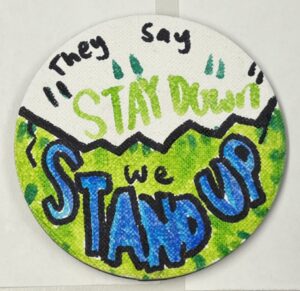
“The Beloved Community is built by a critical mass of people—and that doesn’t mean a community is devoid of conflict, but it’s actually how we bring people in, call people in, try to build even more belonging,” Oakland said.
The day was prefaced with a plenary panel of immigration activists of various backgrounds, including leaders of the East Bay Agency for Children, San Francisco Immigrant Legal & Education Network, the New Breath Foundation and Colectiva Alejandria in El Salvador. Each activist highlighted how humility and small actions within grassroots communities can create unprecedented change. Two separate workshop blocks—each comprising dozens of workshops—were led by students, teachers and external facilitators. From interactive Linocut Print Making taught by Alisa Ching ’28 and Nari Simmons ’27, to a seminar on Ethnic Studies in the Time of AI taught by Damaris Altomerianos, workshop leaders and experts grounded global issues in action-oriented, hands-on learning, provided opportunities for learning and created spaces for students to engage in civil discourse with peers.
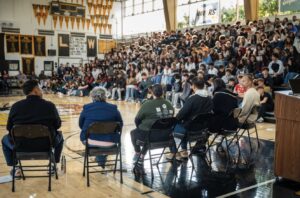
photo courtesy of Vidigami
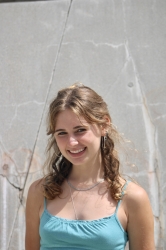
“Alisa Ching and I, the Resident Artist Interns for the Center for Civic Engagement, brought up the idea of something more collaborative and community outreach-oriented to spread the message of social justice intertwined with art,” Simmons said. She made her own meaningful print alongside her pupils. “I chose to focus on the leader of the Black Panthers, the newspaper he was making and political cartoons. Prints are so easy to manufacture, cheap and easy to distribute, so it’s very accessible to make posters and flyers through printmaking,” Simmons said.
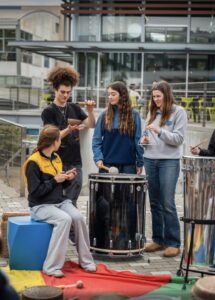
photo courtesy of Vidigami
Though the workshops left a meaningful impression on student attendees, program leaders stressed that the day’s purpose extended far beyond LWHS. The goal was not simply a single day of reflection, but the cultivation of lasting habits—encouraging students to carry these practices into their daily lives and to reconsider how they engage with complex issues in the broader world. “Part of the workshops is planting seeds. A lot of social justice work is the small, day-to-day acts of everyday people becoming more informed in a way to resist issues in the world and push against misinformation,” Oakland said.


+ There are no comments
Add yours