



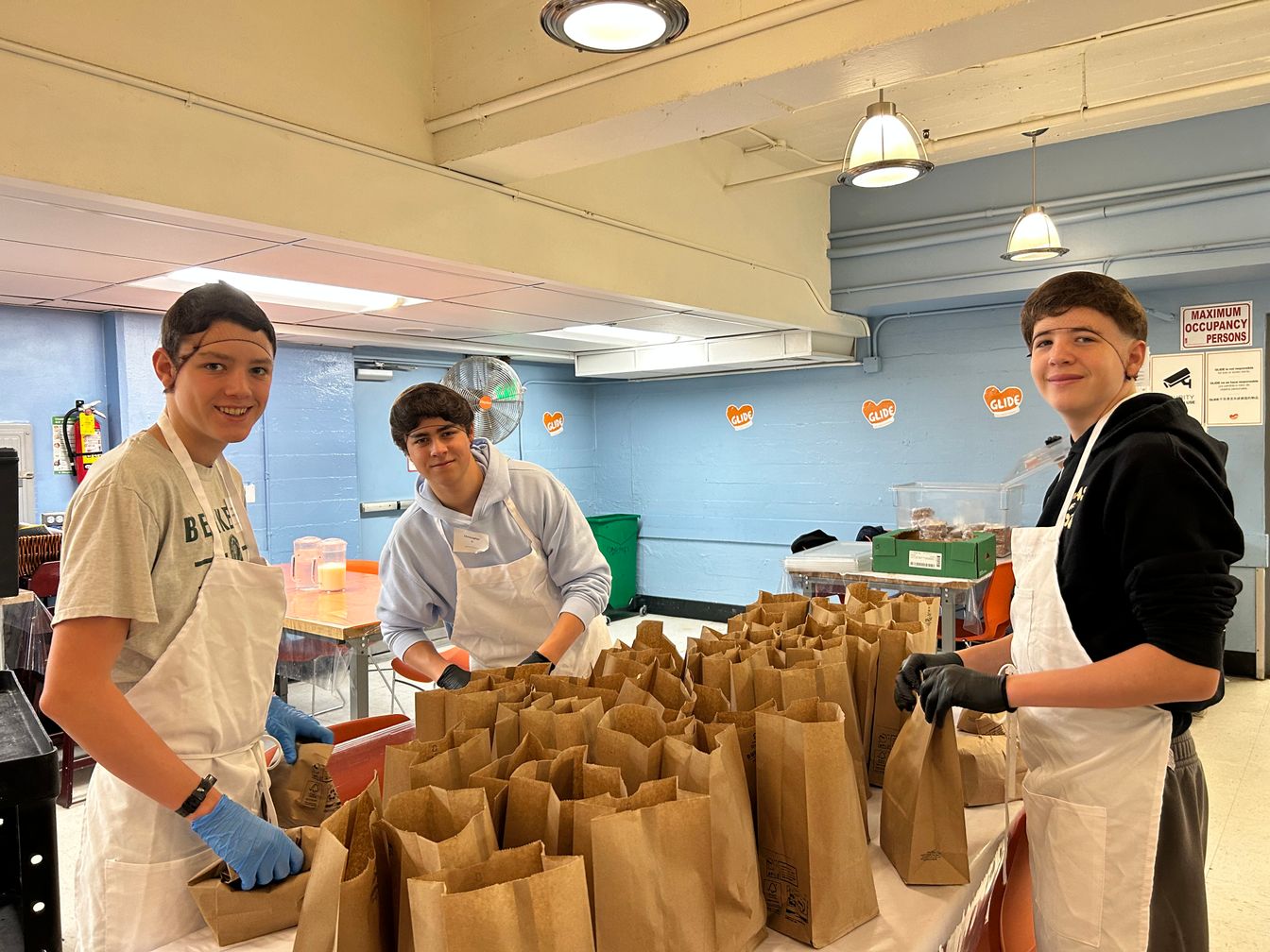
On November 1, 2025, 42 million Americans’ Supplemental Nutrition Assistance Program (SNAP) benefits were suspended due to the ongoing repercussions of the government shutdown. During the SNAP suspension, around 112,000 San Francisco residents lost necessary benefits, spreading anxiety and chaos throughout the city. Despite the break in funding, support from Mayor Daniel Lurie, locals, the Crank Foundation and the San Francisco-Marin Foodbank enabled the creation of an $18 million partnership to support affected Bay Area families in need.
Even with financial support from the community, the long-term solution still depended on federal action. On November 12, 2025, after a funding bill was passed in Congress, the distribution of SNAP benefits will resume only until January 30, 2026.
SNAP, or in California, CalFresh, offers financial support for groceries to families with limited income, helping them afford nutritious foods. Rather than directly funding SNAP cards, the money financed by the city and the Crank Foundation during the shutdown was put into gift cards sent through the mail. Depending on the size and needs of families, money was distributed via gift cards. This allowed many San Francisco families to put food on the table, joining community efforts to end hunger in the Bay Area.
In 2021, San Francisco-Marin Foodbank created a community response team to support San Francisco and Marin County through policy changes with the overall goal of stopping hunger in the Bay Area. This response team endorsed the distribution of gift cards during the lapse. Though the suspension was a time of fear for many low-income families, San Francisco-Marin Foodbank remained committed to providing home grocery delivery, pop-up pantries and stable food banks with the support of volunteers.
“[San Francisco-Marin Foodbank warehouse employees] were really grateful that we were there,” student volunteer Shivani Porten ’28 said at the San Francisco-Marin Foodbank Warehouse on November 4 for Lick-Wilmerding High School’s Public Purpose Program (PPP) day. Alongside other LWHS students, Porten bagged food and organized vegetables for distribution.
Emma Mears, a policy analyst for the San Francisco-Marin Foodbank, is currently working to mitigate the harm from the One Big Bill Act of 2025 (OBBBA), which will remove approximately three million adults from SNAP benefits over the next few years. “Policies ultimately determine people’s lifespans and outcomes,” Mears said. The new rules significantly change SNAP work requirements by raising the upper age limit from 54 to 64 and lowering the parental exemption to households with children under 14. The bill also removes previous exemptions for individuals experiencing homelessness, veterans and former foster youth under the age of 25, while tightening state waivers so they can only be granted in areas with unemployment above 10%. Ultimately, far more adults will now be required to work to maintain benefits.
Michelle Park, a former employee of the San Francisco-Marin Food Bank, is now a Program Coordinator at the University of California, San Francisco (UCSF) Seligman Research Team. The research team launched Vouchers for Veggies in 2015, an initiative to help those in need access nutritious food. “Our grocery card gives people more flexibility with what they buy,” Park said. Park also emphasized the importance of receiving feedback from participants and partner agencies that work with them to support vulnerable communities. “We want to be participant-centered and make sure we’re running and implementing a program that works best for them,” she said.
Nola Evans ’27 reflected on her mother’s work as a midwife at the Zuckerberg General Hospital, often bringing leftovers or extra food to the hospital for her patients—mainly low-income immigrants in need of significant support amid benefit cuts. “I think it makes me a lot more cautious about how I use my food,” Evans said. The stories Evans has heard from her mom have inspired her to reduce food waste, especially at school.
“Students can help by spreading accurate information, reducing stigma and partnering on initiatives like food drives or mutual-aid projects. Even small actions create a more caring culture,” Matthew Oakland, Interim Dean of Equity, Inclusion & Belonging (EIB), said. The EIB team recently released a resource page for food support, “to give clear information about what’s happening, share practical resources and let families know that LWHS is here to help,” Oakland said. Both Oakland and JR Arimboanga, the Director of Student Inclusion & Ethnic Studies, are committed to continuing to share updates and practical sources as the situation evolves. Oakland also hopes in the long term “to strengthen partnerships with local food organizations, and more broadly, to build a more consistent resource hub for families around various topics within the realm of EIB,” he said.
As uncertainty still looms, locals continue to find ways to support communities. Lurie’s active involvement addresses ways to resolve food insecurity, and the City of San Francisco is continuing to strive for creative, community-driven ways to provide essentials to people in need. The San Francisco-Marin Food Bank is “always working on new things. We’re always trying to innovate and find ways to reduce hunger,” Mears said.