

With the launch of the 2025 curriculum, Lick-Wilmerding High School implemented a new freshman requirement, a semester-long course called Frosh Identity and Belonging, that invites students to explore the complexity of identity, the dynamics of belonging and the responsibilities of being in community to support freshmen as they adjust to high school.
After the administration halted the plan to launch Ethnic Studies in 2025, they pivoted to developing another core class for the incoming freshman. Collaborators sought to create a course incorporating elements of Ethnic Studies. From that vision, Frosh Belonging was created.
Four administration faculty were instrumental in carrying out the Frosh Identity and Belonging class vision: Matthew Oakland, Interim Dean of Equity, Inclusion, & Belonging; JR Arimboanga, Director of Student Inclusion and Ethnic Studies Program; Elena Ramírez Robles, Associate Director for the Center for Civic Engagement and Eran DeSilva, Interim Dean of Faculty.
The four teach all the classes, and although the team may be new to instruction, they collectively bring a wealth of experience. Oakland holds a bachelor’s degree in African American Studies, Ramirez Robles has a bachelor’s degree in Ethnic Studies and a master’s degree in Human Rights Education, Arimboanga has experience creating Ethnic Studies programs and DeSilva has over 25 years of experience in education. These backgrounds have strongly shaped the direction of the class.
“The idea of the course is for students to explore some foundational concepts that will help them not only integrate and acculturate to LWHS, but also start to explore a lot of the concepts and topics that they’ll dive deeper into the rest of their four years here,” Arimboanga said.
The semester-long class explores multiple interconnected themes. In the initial stages of the class, students learned about demographic identity categories such as race, sexual orientation, gender, gender expression, citizenship status, ability and more, while also examining what a sense of belonging means. “If you don’t know much about yourself and others, this class will really help you deepen your understanding,” Izzy Yurich ’29 said.
The course builds on foundations of self-discovery, shifting to how belonging is built in the face of power, privilege and “-isms” such as racism, classism, sexism and heterosexism. The class is to not only teach these concepts, but also equip freshmen with the tools to be better learners for the rest of LWHS’s curriculum and active participants of their communities, including LWHS, their homes and their local communities. “I hope that students have more tools to be able to understand their own identity, to recognize the power and privileges they may or may not have and what to do with that,” Ramírez Robles added.
“Frosh Belonging class is really good for learning about each other’s identities as well as our own, especially because we are just starting to get to know people at the beginning of high school.” Lena Koenig ’29 said. “Since we talk a lot about identity, belonging and different forms of oppression, it makes people more aware of what others might be experiencing both inside and out of school. It also changes our perspective on how fortunate we are to be in the position we are in at LWHS” Koenig said.
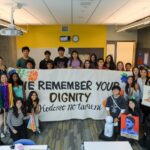
The final project of the class is a zine, a collage magazine inspired by the oral histories of adult volunteers whom students interviewed during PPP days. Made in collaboration with students from different class blocks, the zine was showcased on December 11, 2025 to staff and family.
The introduction of LWHS’s Frosh Belonging class reflects a broader trend, as many schools across the Bay Area are creating belonging programs to support first-year students. Other independent schools like Marin Academy and The Bay School have programs aimed at supporting high school transition from middle school. Many universities across the country have also created such programs like Emory’s “Emory Essentials” course and Boston College’s “Cornerstone” program.
Currently, efforts are still underway to develop an Ethnic Studies curriculum, with plans to implement it as a requirement next year, meaning Freshman Belonging will be an experience unique to the Class of ’29. Although the course is short lived, it has already inspired freshmen to engage more deeply with their identities, intellectually challenged them, fostered new friendships and left a meaningful impact on the LWHS frosh community.