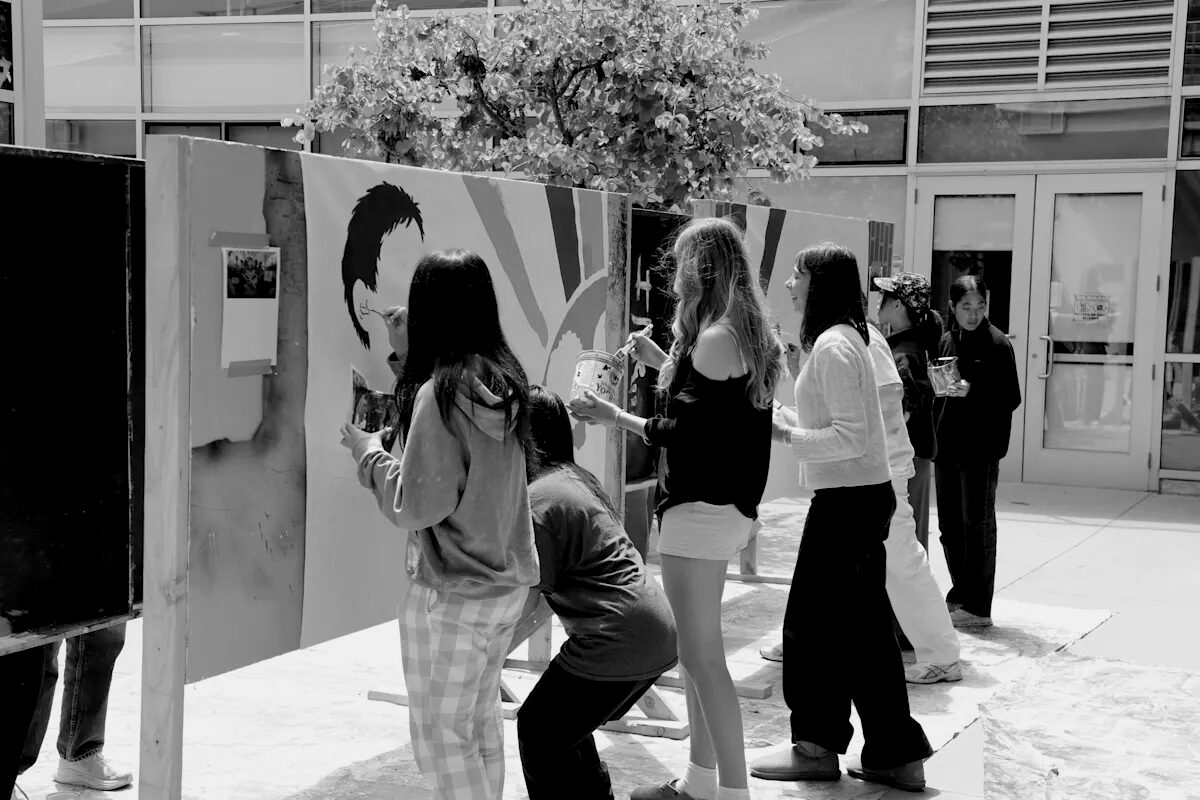
On April 29, Lick-Wilmerding High School students participated in the annual Sam Mihara Day of Justice, which this year explored the importance of Ethnic Studies through multiple speakers and over 30 workshops as a preview to next year’s implementation of Ethnic Studies as a graduation requirement. Students learned about the finished Ethnic Studies course and heard from members of the Ethnic Studies working group.
Reporters for the Paper Tiger worked with the Art in Action Class to document the day and create a podcast including student, faculty, and workshop facilitator voices.
Read some quotes from the transcript here, and listen to the entire podcast above.
photo courtesy of Vidigami
JR ARIMBOANGA (director of student inclusion and ethnic studies program): Because the Ethnic Studies movement here at Lick was centered around student leadership, we wanted to center students and student voice, particularly Lick students.
MS. O-G (workshop facilitator): I think it’s important one, to learn a little bit more about yourself represented in multiple spaces in different mediums. Art is always something that I find healing, and I love doing it with folks, because it’s super creative.
JR ARIMBOANGA: We understand that justice doesn’t happen in just one day, and we’re hoping that Sam Mihara is a reminder of the seeds that we plant in high school, in our, in our larger world, and that hopefully it inspires all of us, not just young people, right, including our faculty and staff, to continue the good fight toward justice.
DONTE CLARK (workshop facilitator): I’m always looking for an opportunity to challenge myself, to go to different spaces with different experiences, and figure out–how do I communicate the urgency of word, the power of word, how to use word to uplift, tear down what needs to be torn down, but more importantly, how do we envision and uplift the experiences we would like to see in our lives?
RACHEL JONES (workshop facilitator): [Ethnic Studies] was solely because the youth 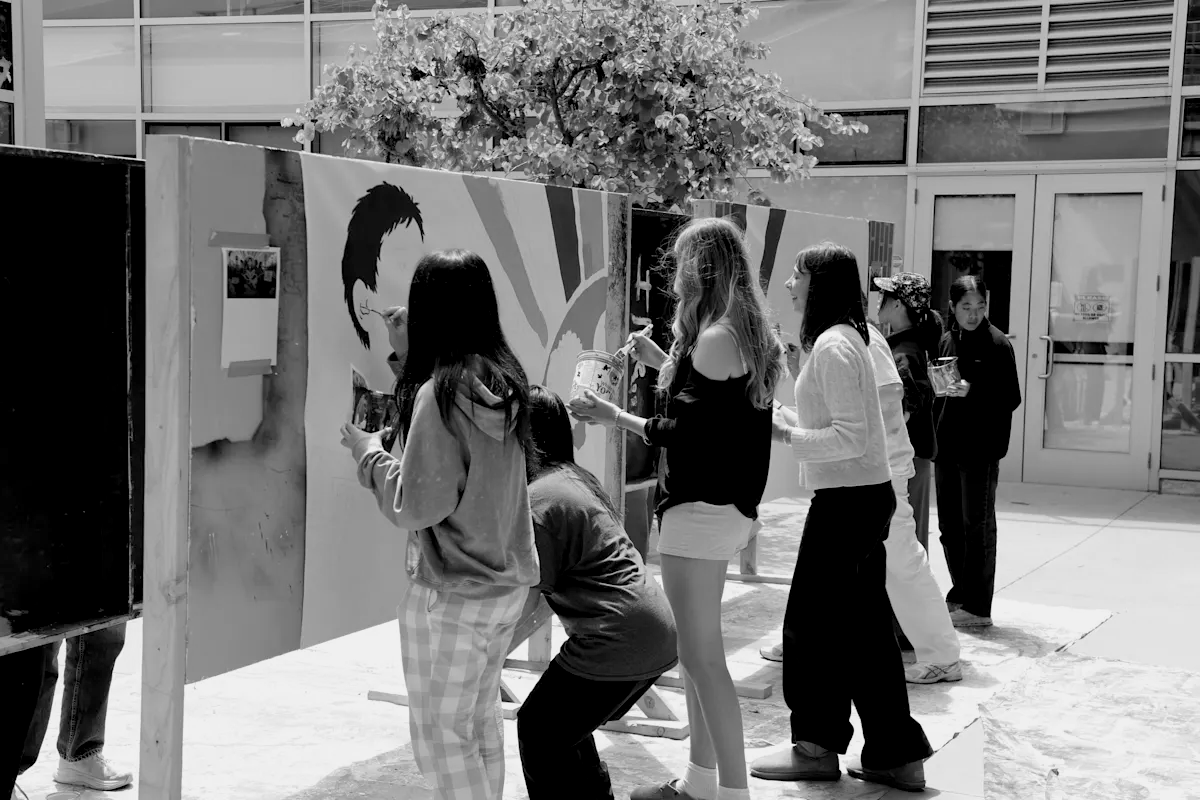
JR ARIMBOANGA: There’s so many people that make Sam Mihara possible, from our facilities teams to our tech teams to facilities staff to, you know, the community workshop facilitators, to the artists. I mean, it’s, again, it really symbolizes this idea that we’re all interconnected, and that in order for us to really create change, we have to work together.