



Movie theaters have struggled since the 2020 COVID-19 pandemic, but the Roxie Theater and other independent movie houses thrive during award season in San Francisco. From October to March, films push for an Oscar with independent theaters acting as valuable community centers throughout the entire year.
The United States lost nearly 5,000 screens following the COVID-19 pandemic—12% of pre-pandemic screens—as ticket sales plummeted. The box office has not recovered to its former levels, growing just 4% since this time last year. However, many independent theaters in San Francisco, often characterized by small screens and few commercial showings, have endured.
These theaters play a pivotal part in awards season. October marks the start of film awards season, often referred to as “Oscar season,” which culminates at the Academy Awards in March. During awards season, films vying for Oscar recognition and eligibility screen in both independent and multiplex theaters, often with special guests.
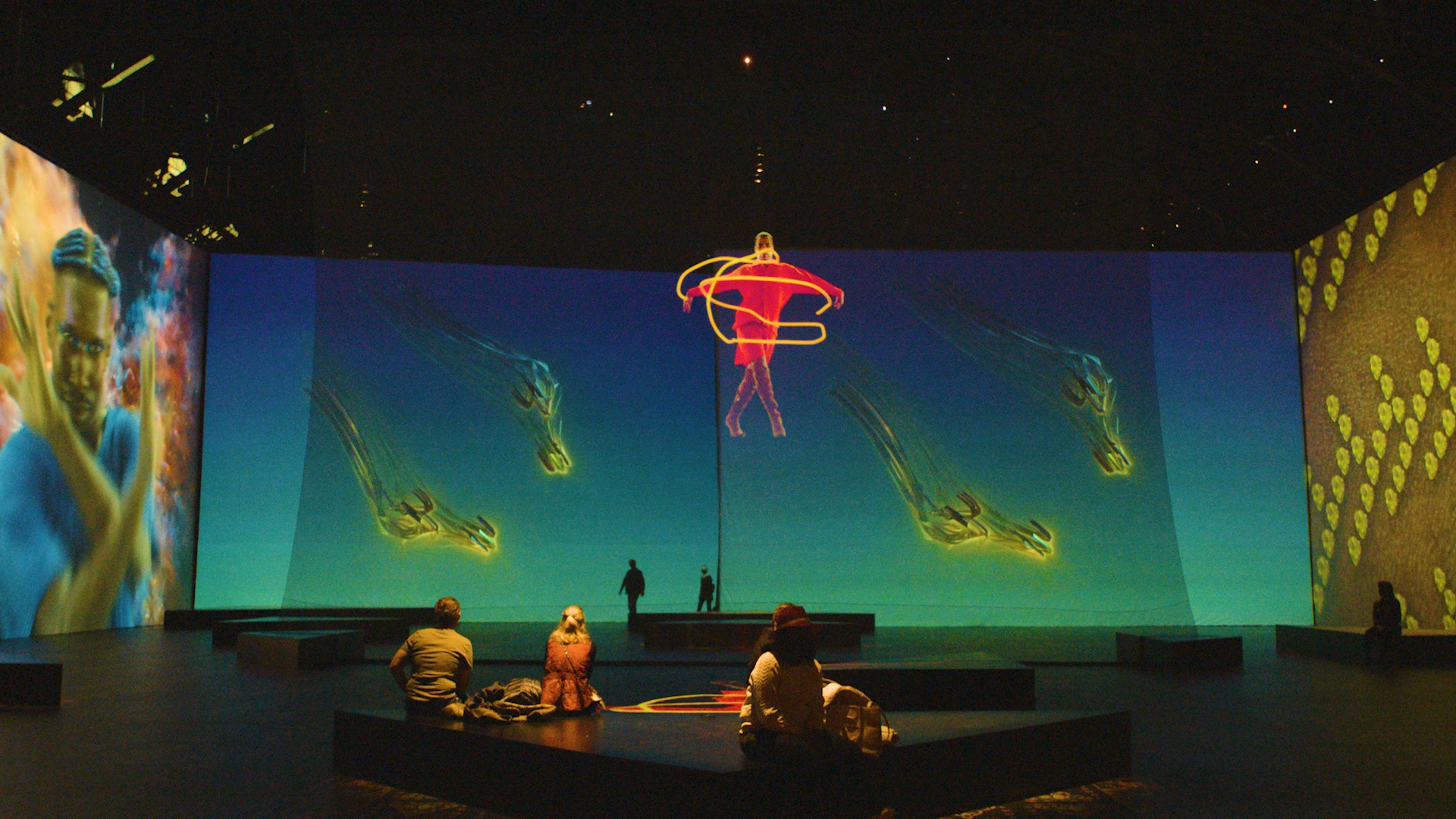
Documentary filmmaker Johnny Symons is currently trying to land the film he co-directed, Assembly, on the Oscar shortlist, the step before nominations. The film follows artist and co-director Rashaad Newsome’s exhibition of artificial intelligence, video projections and holograms to teach decolonization and celebrate Black queerness. “We want to get it qualified for Oscar consideration,” Symons said. “We’re renting theaters, and we’re doing a lot of community organizing and getting people to come see the film, both the general public, but also the Academy voters.”
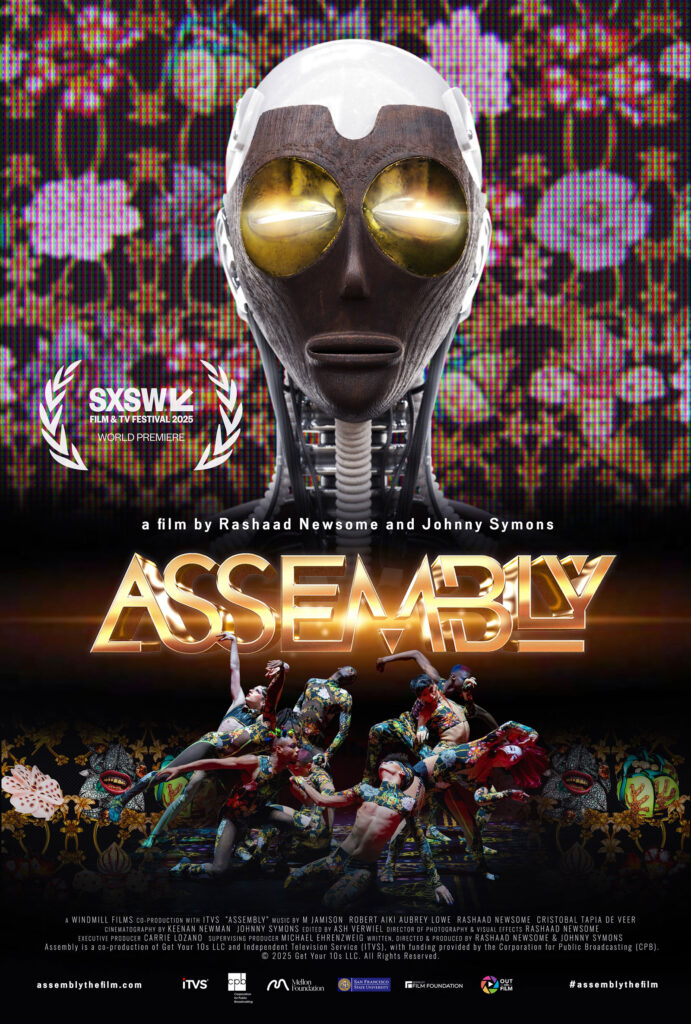
photo courtesy of Johnny Symons
On October 5, Assembly screened at the Roxie, a movie theater in the Mission that has been running since 1913. Lex Sloan, the Executive Director of the Roxie, strives to bring in independent films like Assembly. “It’s really exciting for us, because often those films bring in the filmmakers because they want the Academy members to come see the movie, but also to hear from the filmmaker and meet the artist and have a conversation,” Sloan said.
Conversations with filmmakers and discussions after screenings foster community. Both are important and beautiful parts of independent theaters for Sloan. The community building was evident from a note Sloan received during the Forever Roxie campaign, which was the Roxie’s capital campaign to buy their building. “We got a handwritten $10 check with a note that was like, ‘I met my partner at the Roxie 30 years ago. We had our first date, and we’re still together to this day,’” Sloan said. People talking in the lobby is a common occurrence after screenings as moviegoers process the film.
Jessie Fairbanks, the director of programming at SFFILM, also values these talks outside of theaters. In 2024, SFFILM’s exhibition of documentaries, Doc Stories, screened the eventual Oscar winner No Other Land, which is about the destruction of a Palestinian town in the Israeli-occupied West Bank. After the screening, Fairbanks noticed how deeply people were affected by it. “After the film was done, people couldn’t wait to talk to one another. We had another screening that evening, and after the next film started, the first audience was still standing outside processing the power of this film,” Fairbanks said.
Unlike big cineplexes across the country, the Roxie continues to show No Other Land regularly. It is one of the few theaters to do so. “We decided to show it because it was something that the community asked for, and the community still wants to see. They’re still showing up,” Sloan said. Despite winning the 2024 Oscar for documentary filmmaking, No Other Land did not receive U.S. distribution. In an interview with the New York Times, one of the film’s directors, Yuval Abraham, stated that there are political reasons for the lack of distribution. Screenings of the film have been seen as a political statement and met with opposition. One theater in Florida that screened No Other Land was threatened with eviction and defunding. Pointing to the history of the theater, Sloan said, “the Roxie has always been political and hasn’t shied away from hard political conversations and social justice.”
In 2009, the Roxie became a 501(c)(3) non-profit organization, allowing it to be tax-exempt and receive donations. Without its non-profit status, Sloan is unsure whether the Roxie would have survived the pandemic. Being a non-profit allows Sloan to redefine what a successful screening is. Earning money through ticket sales is no longer a chief operating principle for the Roxie. Therefore, the industry standard of packing the theater does not apply. “Sometimes the success is 20 people in the Roxie where we’re showing a meaningful film from a filmmaker who might not be showing in any other theaters, but deserves theatrical experience with an audience, with community,” Sloan said.
Being a non-profit also has a level of diligence. The Roxie thoroughly considers which movies it screens. “It takes careful conversations, intentionality and really thoughtful curation from our programming team,” Sloan said. Despite being politically charged, No Other Land is an example of the flexibility and community role of the Roxie. The Roxie continues to show the film because the community still wants to see it.
Over the years, the Roxie has developed a loyal group of moviegoers, but it always wants to branch out and draw new audiences. “We believe that the movies don’t end when the credits end,” Sloan said. “When people leave the theater, they’ve been changed by the movies that they’ve seen, and hopefully that inspires further action.” By connecting with new audiences, the Roxie and filmmakers hope to reach more people.
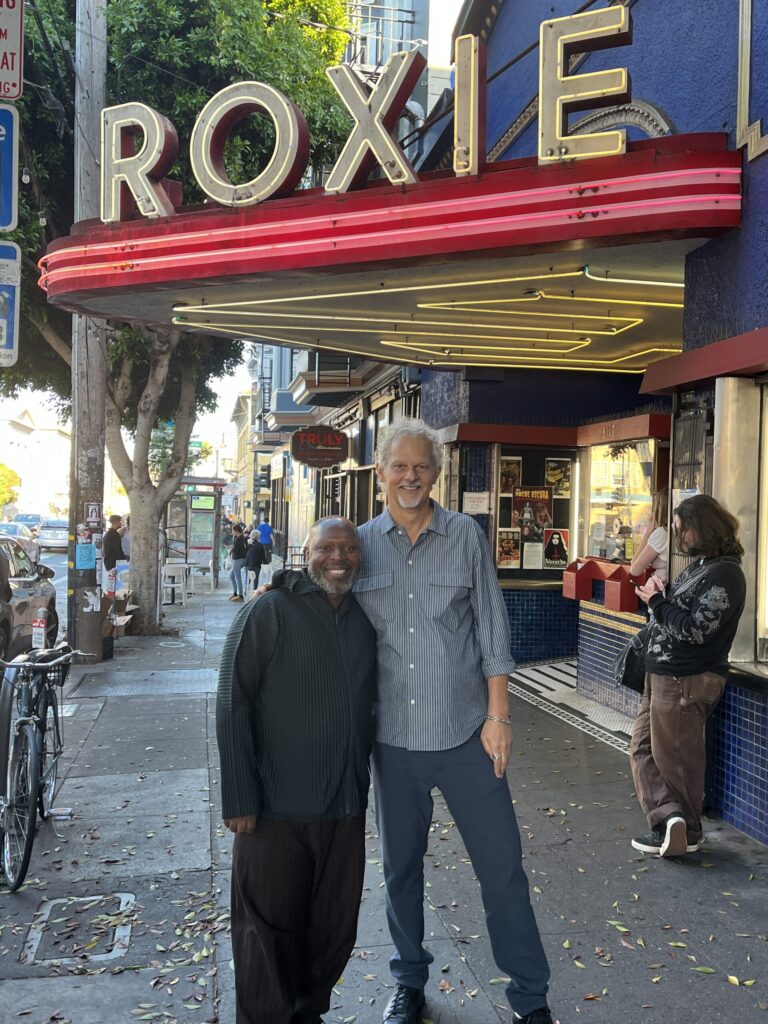
photo by Hugo Loeb ’26
Filmmakers and theaters rely on people going to the theater to succeed, which is more inconsistent in a time when media is accessible anytime by phone. For people looking to see a movie, “you don’t need to see everything in theaters, but go once a month,” said Fairbanks. “And I think you’ll appreciate a break from life.” Symons echoed this idea and thought that movies should be seen in theaters. “In a theater with a big screen and a great sound system, it immerses you. You’re part of a collective group of people that are witnessing and experiencing it in the same way,” Symons said.
Sloan encourages people to frequent independent theaters for both the community and affordability. “Our tickets are affordable and our concessions are affordable…you can go to AMC or a big chain and spend $50, $60,” Sloan said. At the Roxie, tickets are $14 and less than $10 for popcorn and candy.
“The theater needs people in it to be alive,” Sloan said. “Coming to the Roxie and having a communal experience while watching movies, sharing it together, crying together, there’s nothing like the feeling, in my opinion, of a standing ovation after a movie is done.”